Local Name
Ghrubela (Melnisdzira, Melano) (1), Ghurbelaa (tush.) (2).
Description
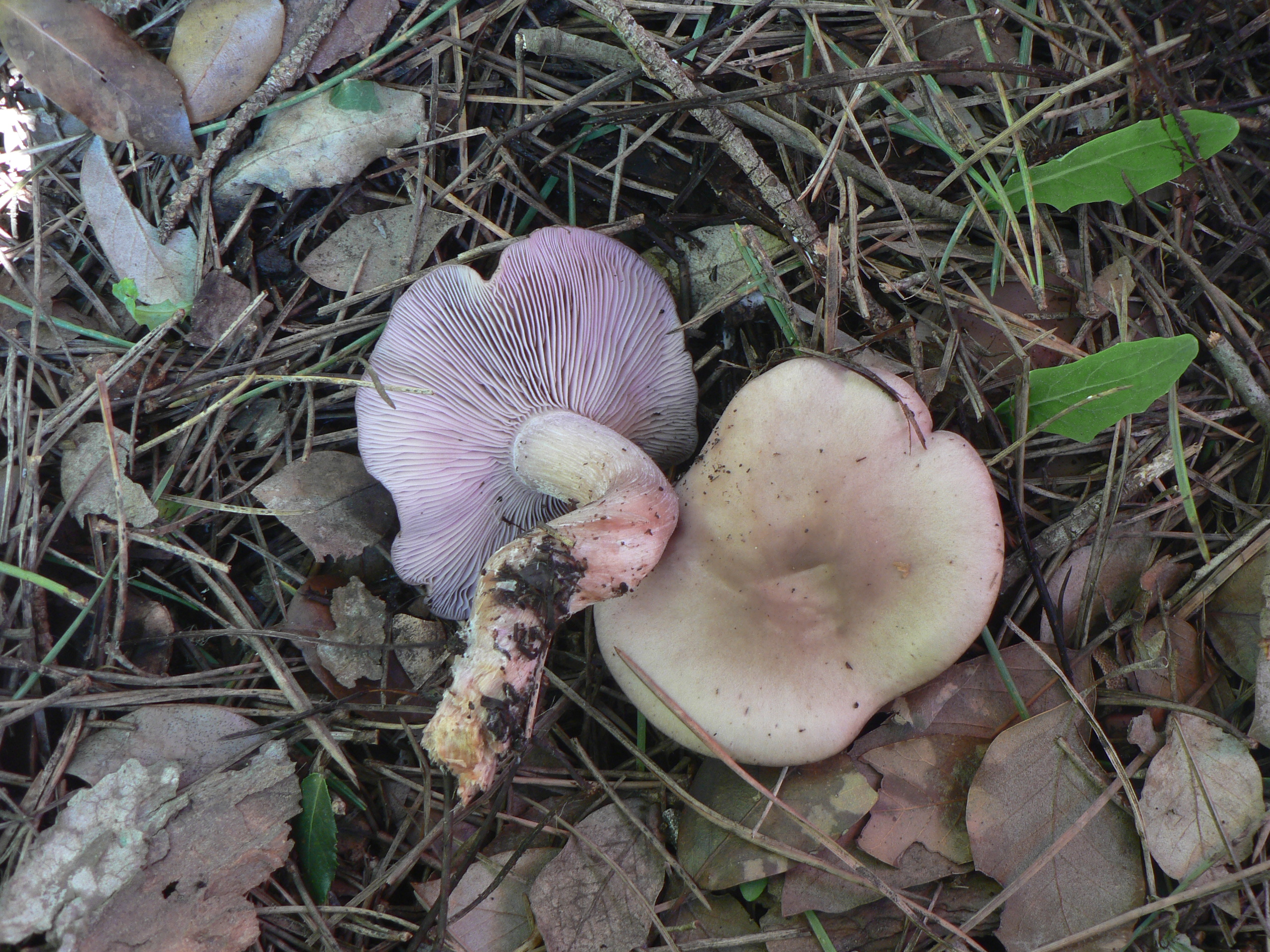
Cap: The cap is 3–8 cm, convex becoming flattened, depressed or slightly umbonate, often wavy, lilac to lilac-brown, fading with age. Gills are attached to the stem, lilac fading or becoming lilac-brown with age. Stem: The stem is 3–6 cm long, 1–1.5 cm thick, concolorous with cap, fibrous, often slightly thickened at base. Flesh: The flesh is greyish tinged with lilac, odor not distinctive. Spores: The spores are 5.5–7.5 X 4–5 µm, ellipsoid, minutely roughened, pale pinkish or colourless.
Habitat: On soils, on the edges of forests or on meadows and pasturelands. Season: Summer, autumn.
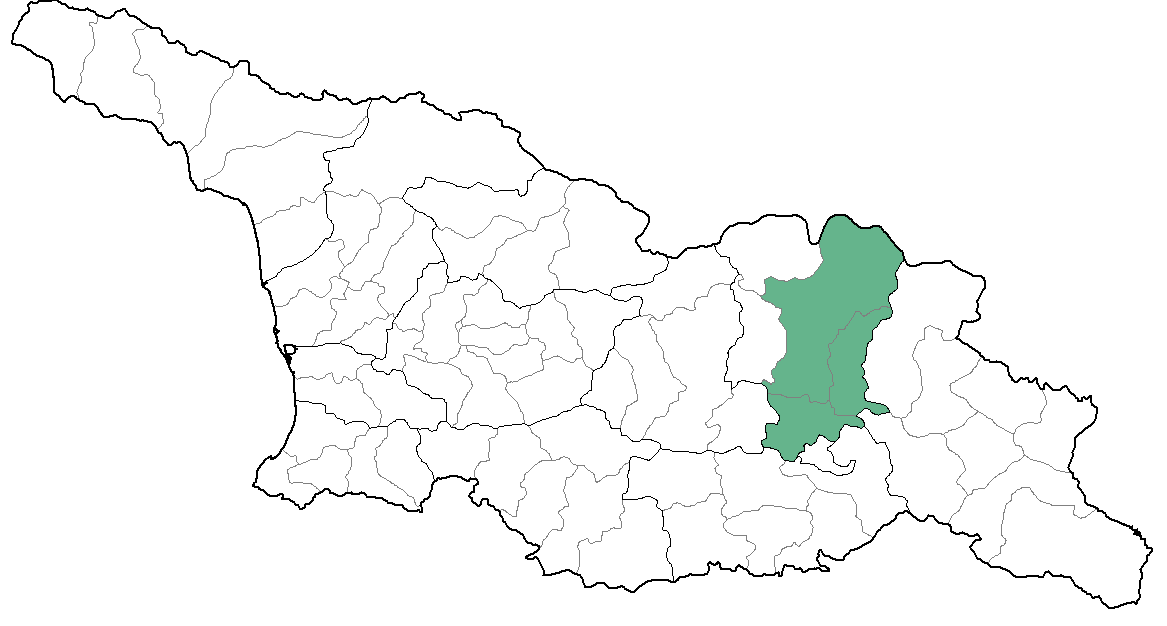
Distribution: River Aragvi Gorge (2).
Uses
Edibility: Edible when young and fresh (1).
Tusheti — “Ghurbelaa zoko is an edible gray mushroom, you can find these mushrooms here, but in a small amount” (2), “we dry and store for winter these mushrooms, we call them Ghurbela soko” (4). Tetristkaro — “Melano is a tasty mushroom, you can find them here in a quite large amount, sometimes even in winter” (5).
References
- Nakhutsrishvili, I.G. (2007) Fungi of Georgia. Tbilisi: Buneba Printi.
- Tsotsanidze, G. (2012) Tushetian dictionary. Tbilisi: Bakur Sulakauri Publishing.
- Nakhutsrishvili, I.G., et al. (1986) Flora of Spore-producing Plants of Georgia (Summary). Tbilisi: Metsniereba (Russian).
- Bakuradze, V. (2014) Vlg. Omalo, Tusheti.
- Aptsiauri, E. (2014) Vlg. Shekhvetila, Tetritskaro.