Local Name
Abedis sok’o, Saabede sok’o (pshav.), Vanesa, K’vezho (imer.), Abeda sok’o (kartli., lechkh.), Obedishi sok’o (megr.), Abedi sok’, Hobediak, Hobediak tq’ubul (svan.) (1), Bebera sok’o (javakh.) (2).
Description
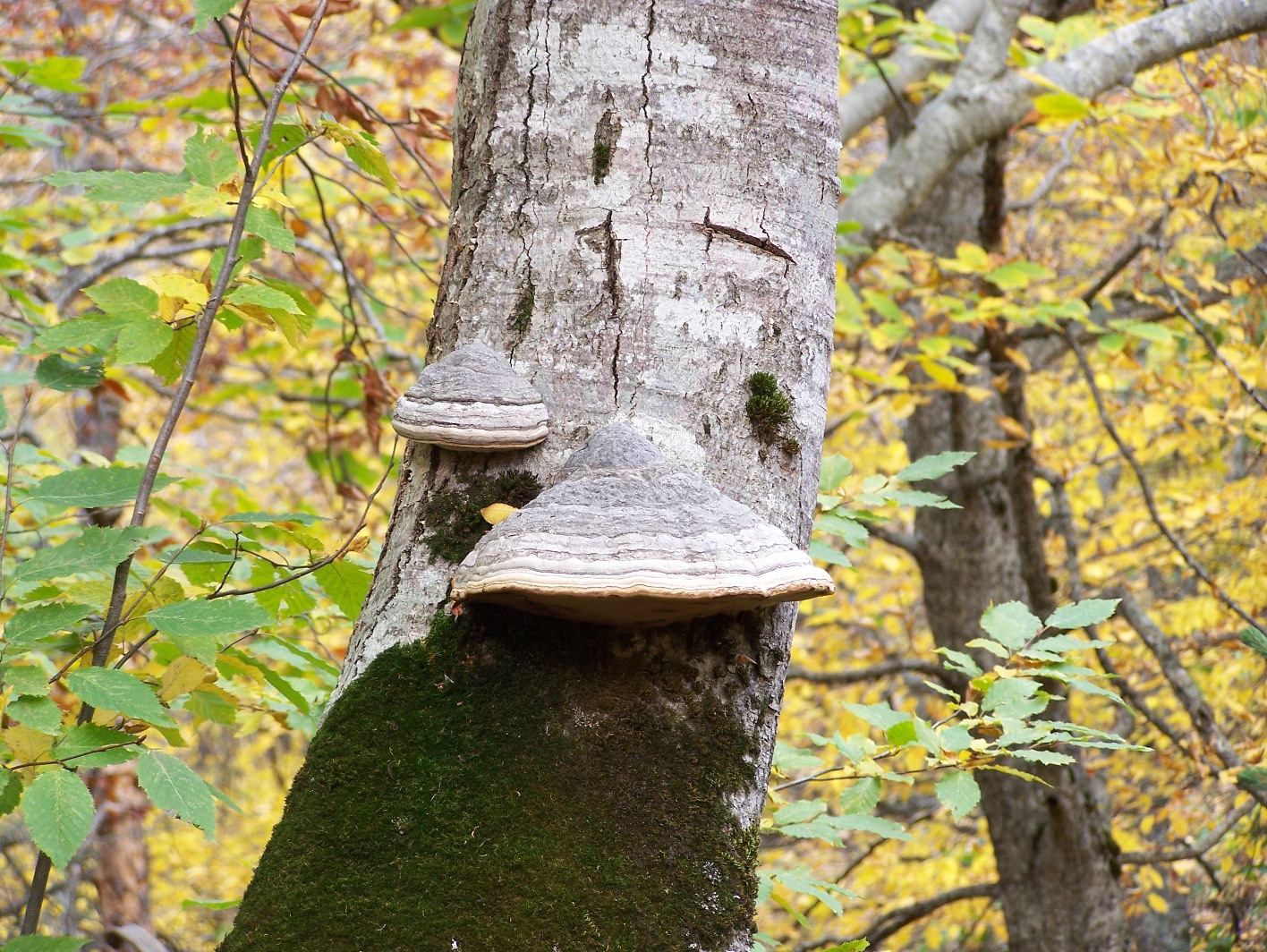
Bracket: The bracket is 5–45 cm across, hoof-shaped, hard and woody, usually discrete but several fruit bodies may occur on the same trunk, upper surface with a hard horny crust, concentrically grooved and zoned grey. Flesh: The flesh is hard, fibrous, cinnamon-brown, taste acrid, smell slightly fruity, circular, light grey-brown darkening when handled. Spores: The spores are 14–22 x 5–6 µm, brownish, lemon-yellow, oblong-ellipsoid.
Habitat: Various broad-leaved trees. Season: All year.
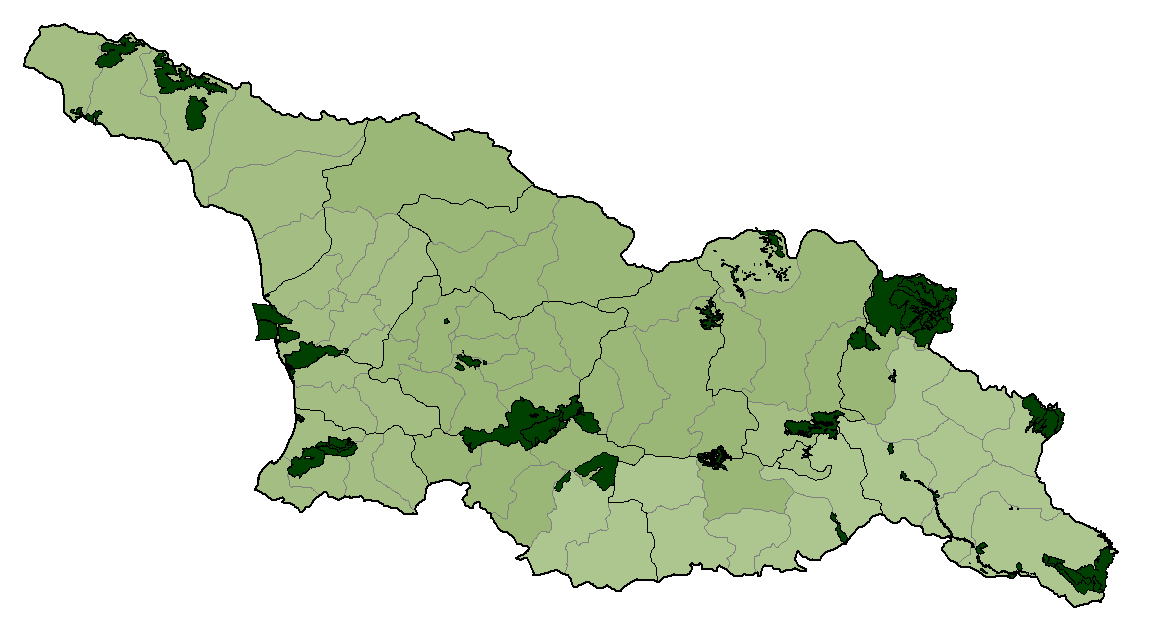
Distribution: All regions of Georgia (3).
Uses
These mushrooms were used for production of tinder.
Tinder
“Formerly tinder was made of “Abeda soko” – the name literally means “tinder mushroom”. The population (mainly elders) still recalls how to prepare tinder.
Svaneti — “A birch polypore (Piptoporus betulinus) was thought to be the best material for tinder; it was well boiled with ash, well beaten, dried and ground, yielding tinder. The younger population has already lost this knowledge” (5). Tusheti — “A birch polypore was thought to be the especially good material for tinder; it was well boiled with ash, very well beaten, dried and ground, yielding tinder” (6).
References
- Makashvili, A. (1991) Botanical Dictionary. Tbilisi: Metsniereba.
- Zedginidze, G. (2014) Javakhian Dictionary. Tbilisi: Saunje.
- Nakhutsrishvili, I.G., et al. (1986) Flora of Spore-producing Plants of Georgia (Summary). Tbilisi: Metsniereba (Russian).
- Archvadze, G., Bokuchava, M., et al. (2011) Ethnoraphic Dictionary of the Georgian Material Culture. Tbilisi: Meridiani.
- Kakhaberidze, B. (2014) Mestia.
- Tatrulaidze, T. (2014) Vlg. Omalo, Tusheti.