Local Name
Mglis sok’o (1), Mgli sok’o (jav.) (2).
Description
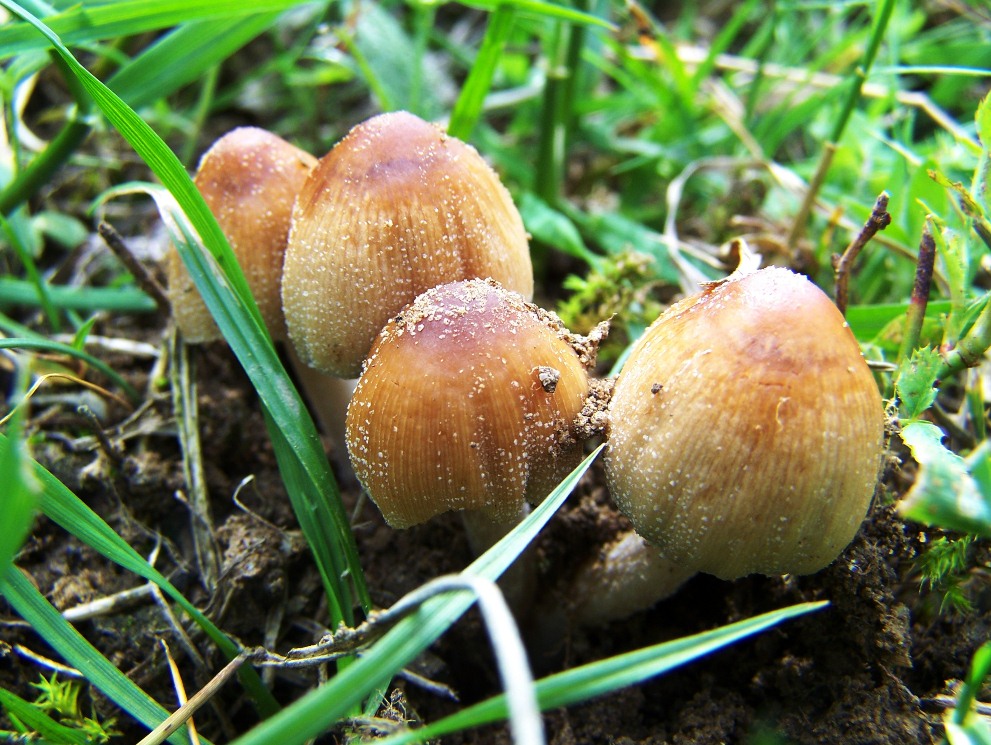
Cap: The cap is 2–14 cm, oval when young, expanding to broadly convex or bell-shaped, sometimes with a curled up or tattered margin, honey brown, tawny, amber, or sometimes paler, becoming paler with age, especially towards the margin, buttons covered with mica-like granules which frequently wash off with rain or dew. Gills are attached to the stem or free from it, pale, becoming brown, then black, close or crowded. Stem: The stem is 3–9 cm long, 2–5 cm thick, equal, hollow, whitish. Flesh: The flesh is white or whitish, thin, soft, odor mushroomy or not distinctive. Spores: The spores are 7–10 X 4–6 µm, elliptical, smooth, brownish or blackish.
Habitat: On soils, on decaying wood, on manure places. Season: All year.
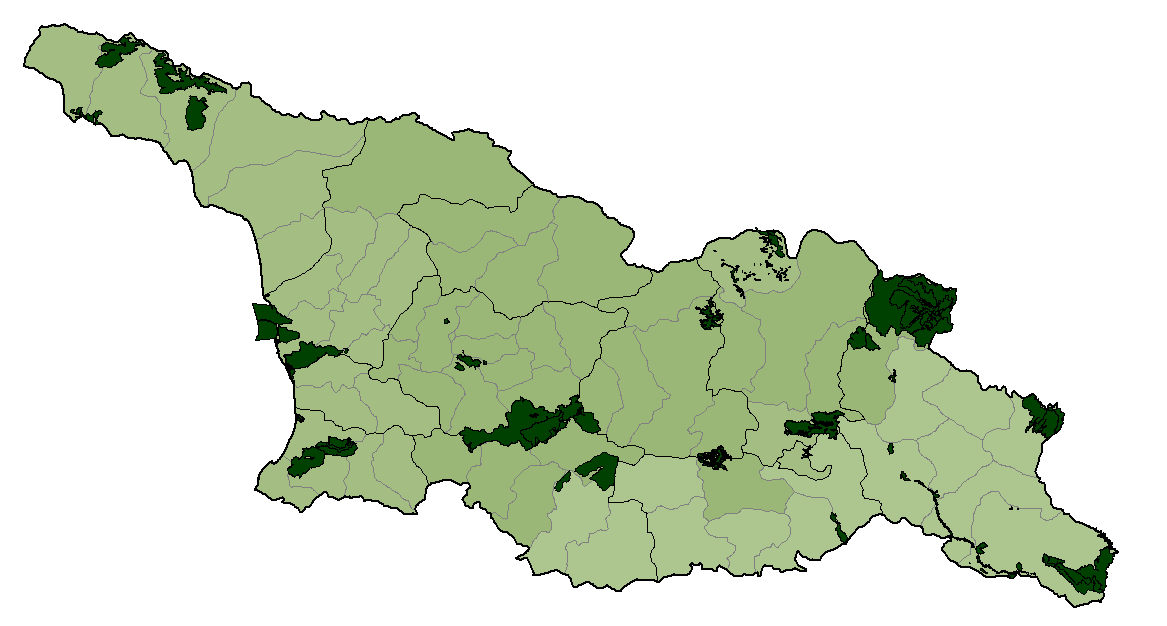
Distribution: All regions of Georgia (3).
Uses
Edibility: Edible when young and fresh (1).
Javakheti — “Mgli sok’o is a mushroom species, which is inedible and sometimes even poisonous” (2).
References
- Nakhutsrishvili, I.G. (2007) Fungi of Georgia. Tbilisi: Buneba Printi.
- Zedginidze, G. (2014) Javakhian Dictionary. Tbilisi: Saunje.
- Nakhutsrishvili, I.G., et al. (1986) Flora of Spore-producing Plants of Georgia (Summary). Tbilisi: Metsniereba (Russian).